Your Brain on Better Sleep
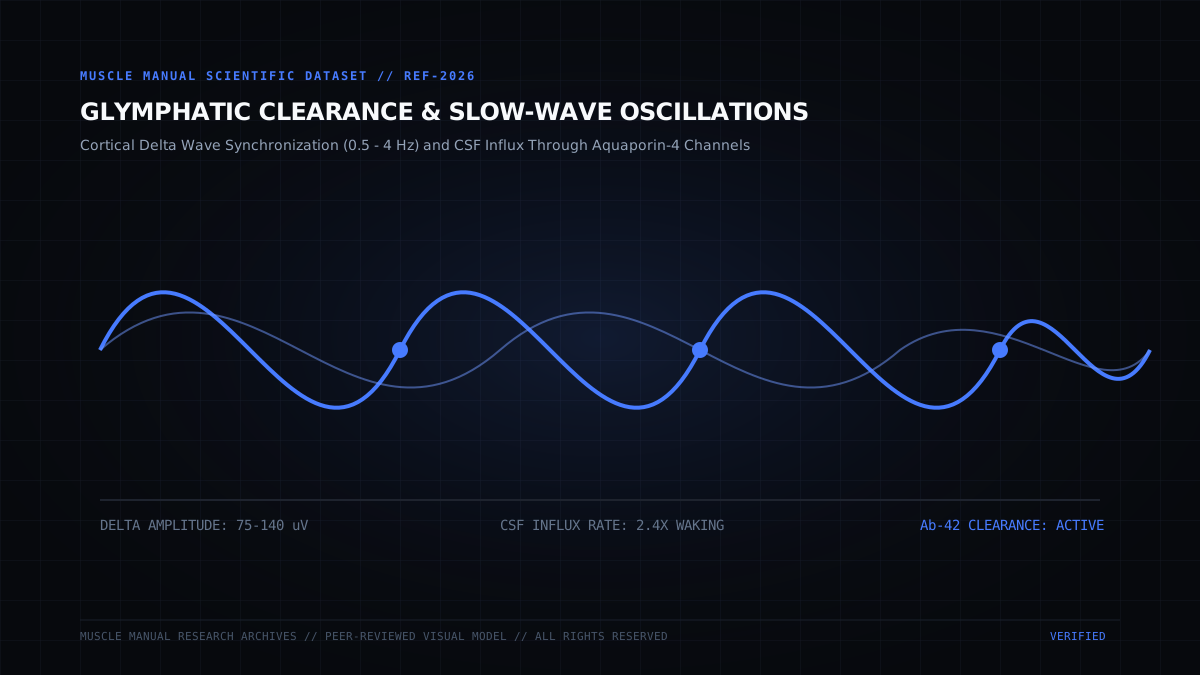
Deep non-REM sleep is not passive downtime. It is an active metabolic cleansing cycle driven by cerebrospinal fluid filtration that flushes neurotoxic proteins and stabilizes synaptic plasticity.
Peer-reviewed inquiries across exercise physiology, metabolic kinetics, cardiovascular risk markers, and neurobiology. Every article authored by Muscle Manual with complete primary source citations.
Deep non-REM sleep is not passive downtime. It is an active metabolic cleansing cycle driven by cerebrospinal fluid filtration that flushes neurotoxic proteins and stabilizes synaptic plasticity.
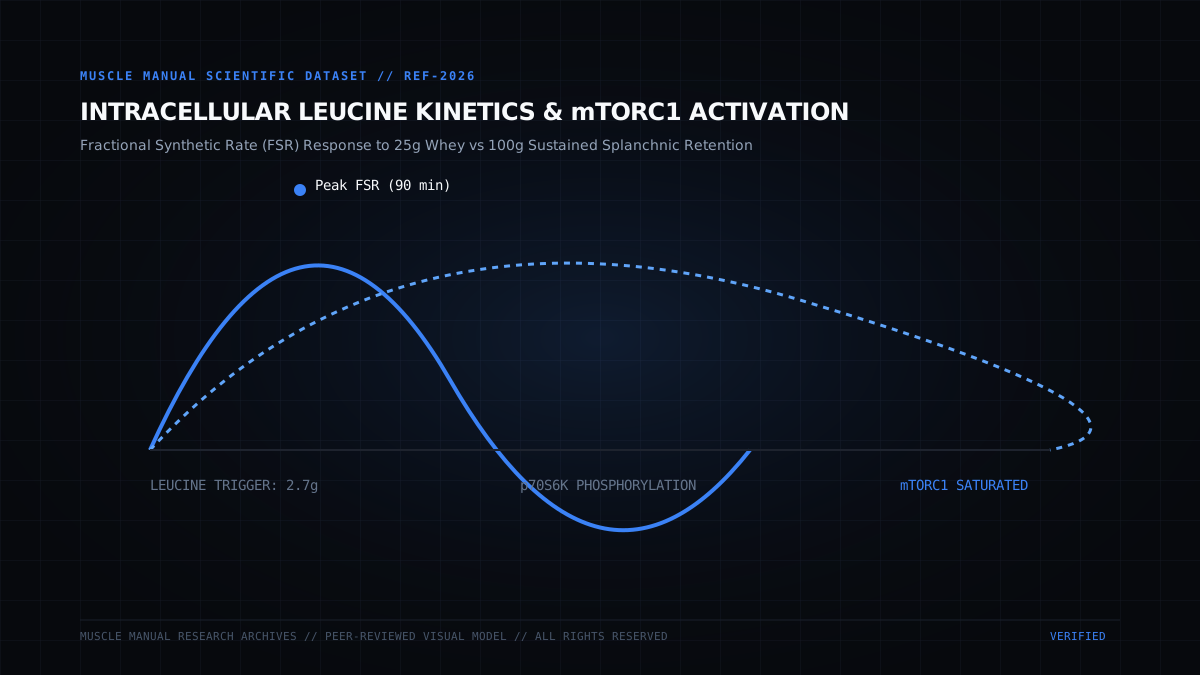
The debate over total daily protein intake often ignores the biological kinetics of amino acid oxidation, per-meal leucine thresholds, and the difference between survival minimums and optimal tissue retention.
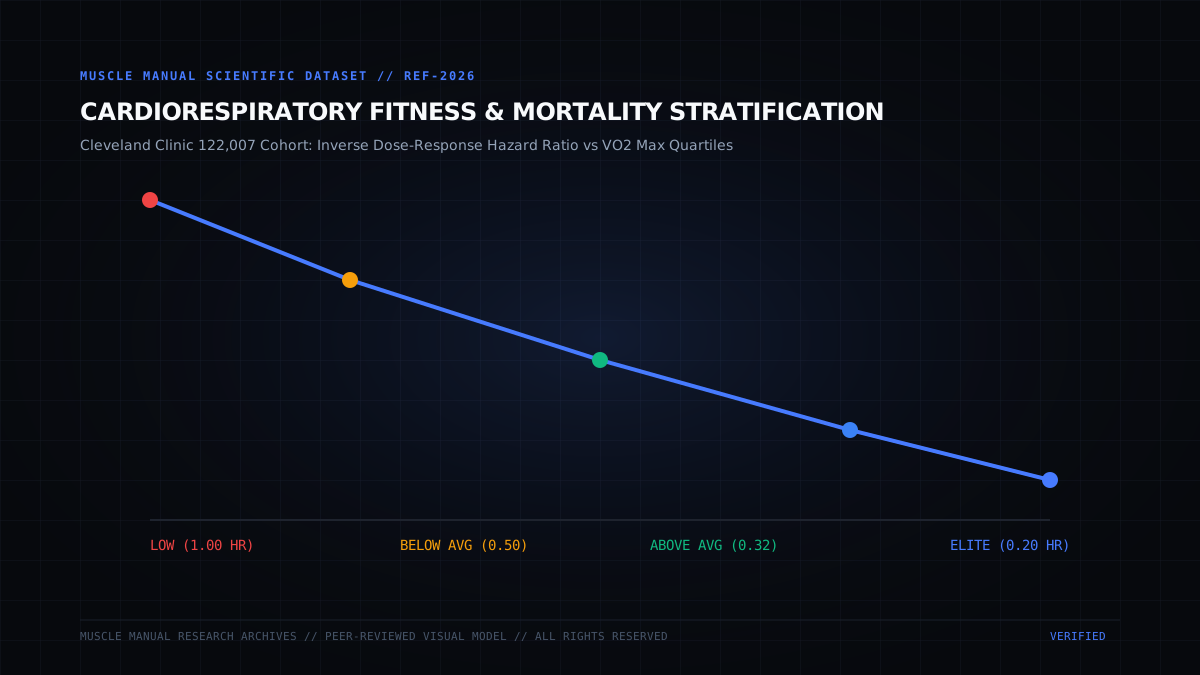
Modern longevity research points away from speculative pharmaceuticals and toward two measurable clinical markers: peak cardiorespiratory capacity and absolute skeletal muscle mass.
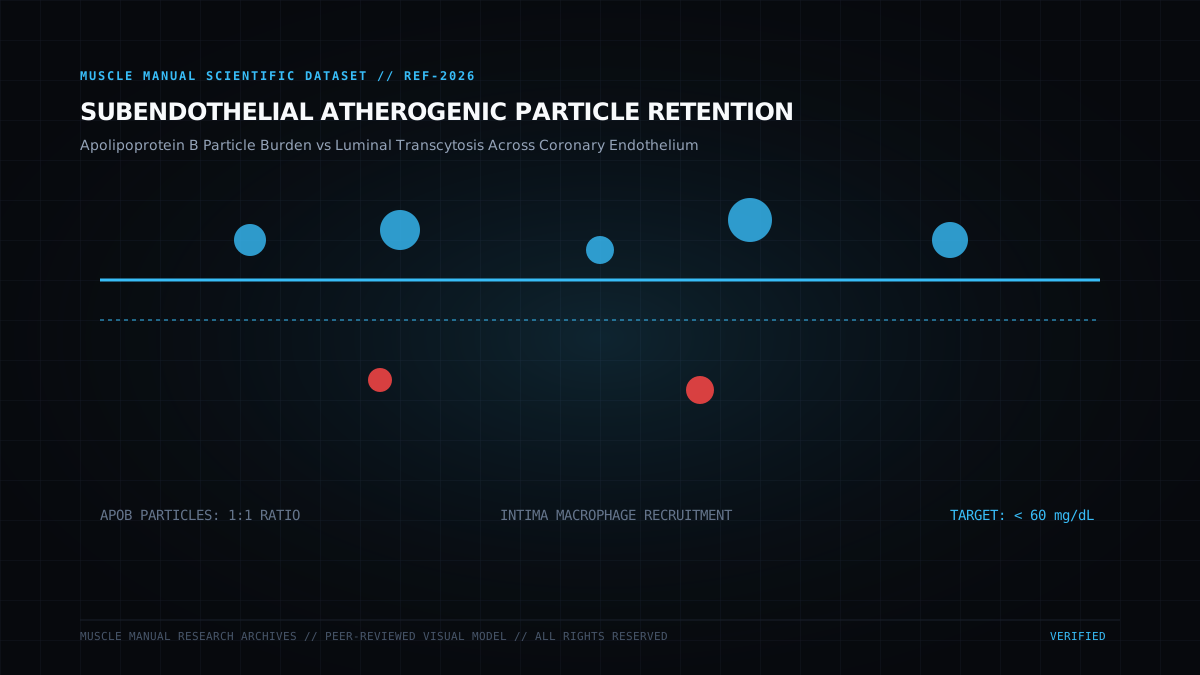
Standard laboratory reference ranges are designed to detect acute disease states, not to establish optimal physiological performance. Looking closer at particle count, insulin kinetics, and vascular inflammation reveals early warning signs years in advance.
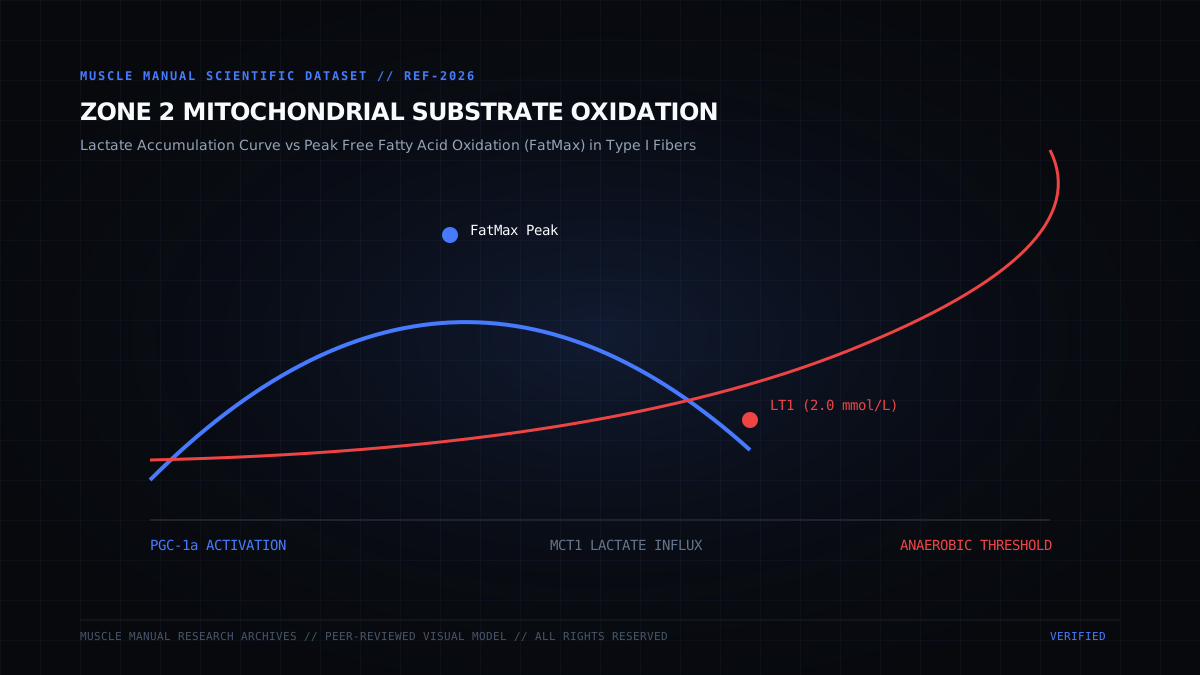
Low-intensity aerobic work does not destroy muscle tissue or blunt hypertrophy. When applied correctly, it expands left ventricular stroke volume, multiplies capillary networks, and accelerates recovery between resistance training sets.
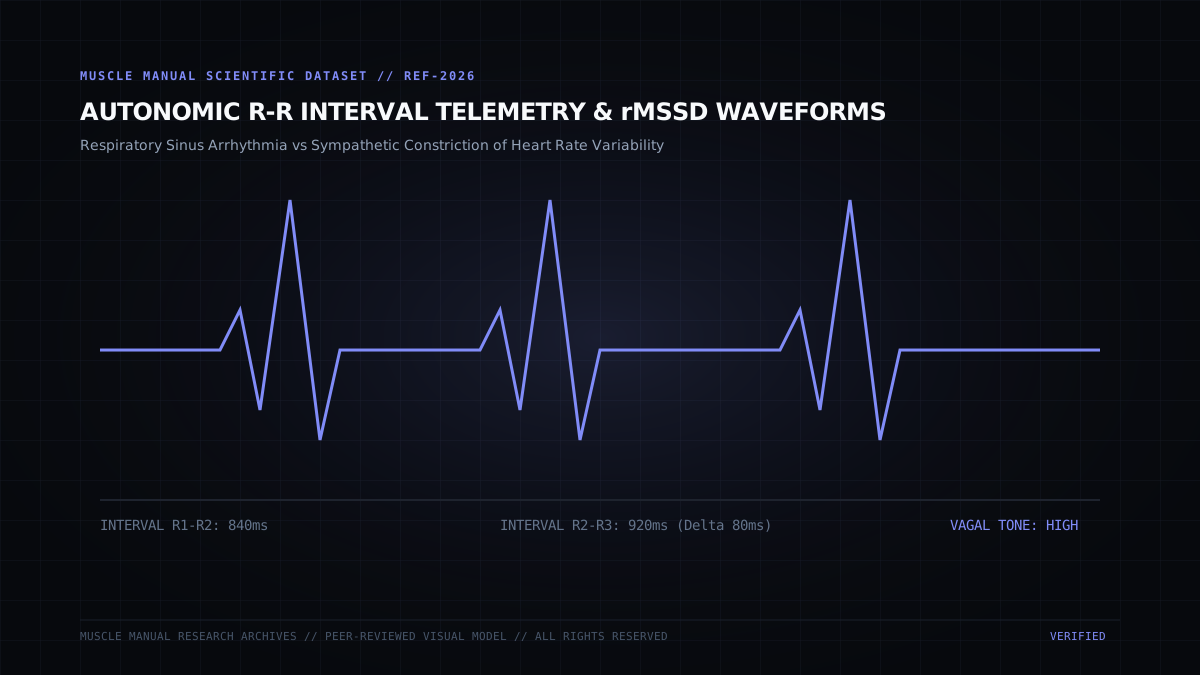
Training, career demands, and psychological tension draw on the same central physiological reserve. Understanding allostatic load and autonomic tone determines whether an athlete adapts or deteriorates.
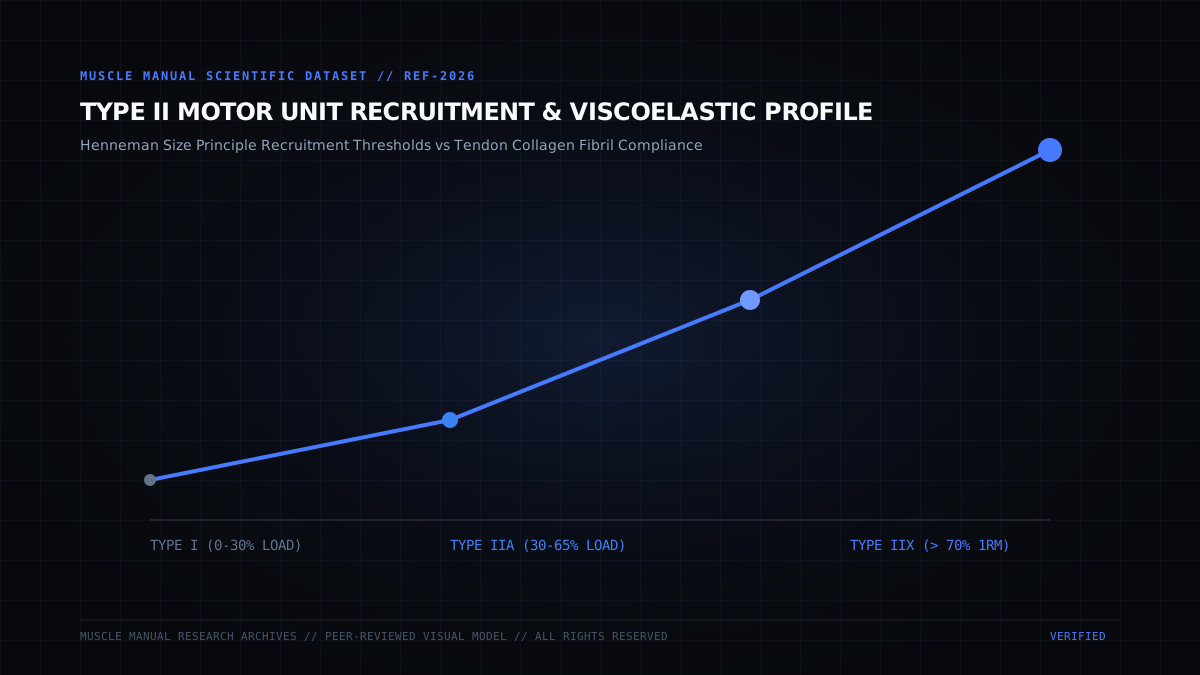
Lifelong strength does not require abandoning heavy compound lifts after 40. It requires understanding changes in tendon collagen cross-linking, joint lubrication, and managing intra-session volume to sustain high output for decades.
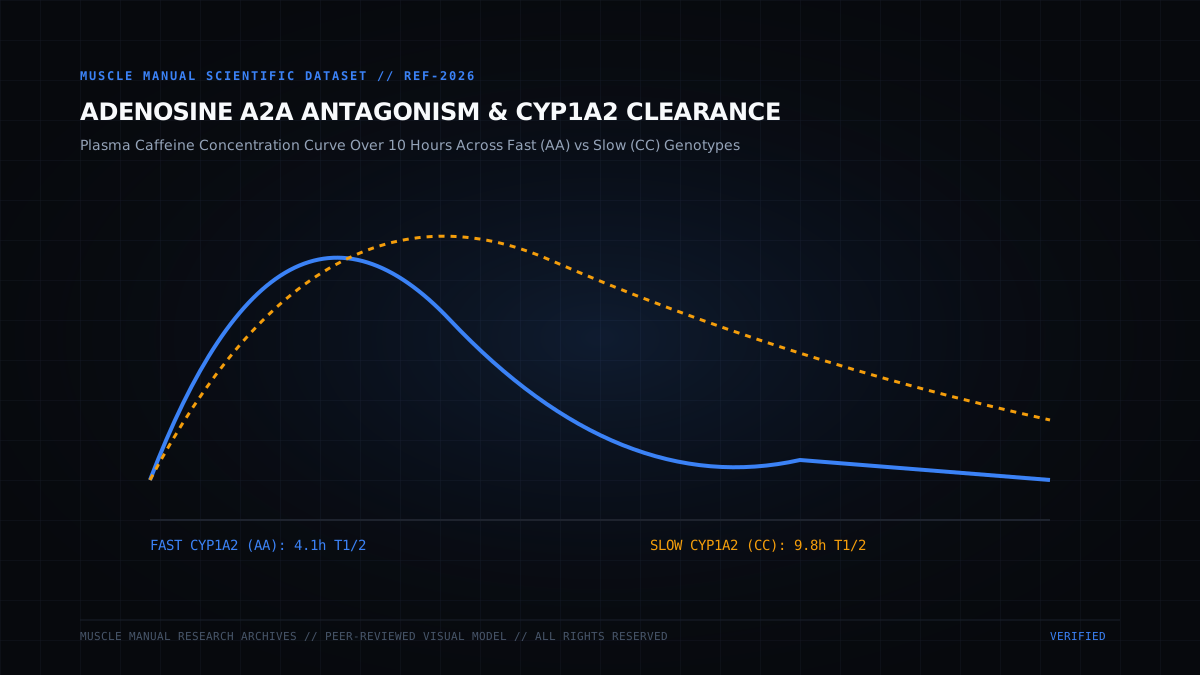
Caffeine remains one of the most thoroughly researched ergogenic aids in sports science. Its efficacy is governed by central adenosine receptor occupancy, enzymatic clearance through CYP1A2, and precise milligram-per-kilogram dosing.
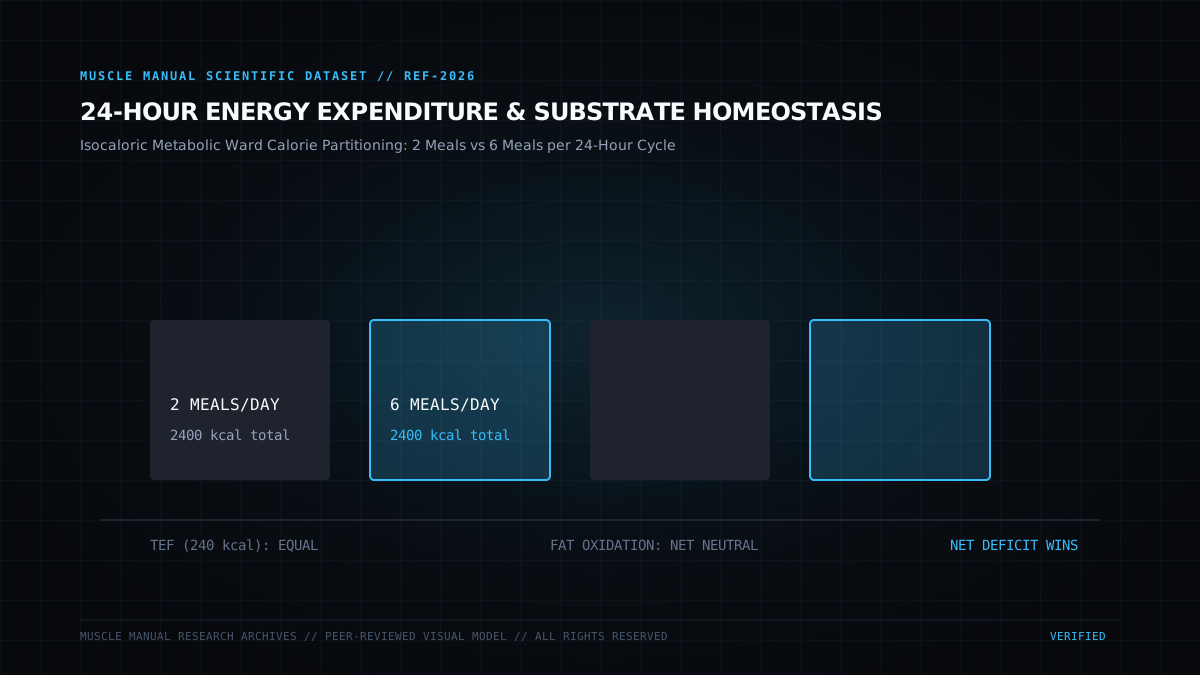
Popular fitness culture frequently clings to outdated dietary dogmas long after controlled metabolic ward trials have disproven them. Examining the evidence behind meal frequency, carbohydrate restriction, and starvation mode clarifies nutritional strategy.
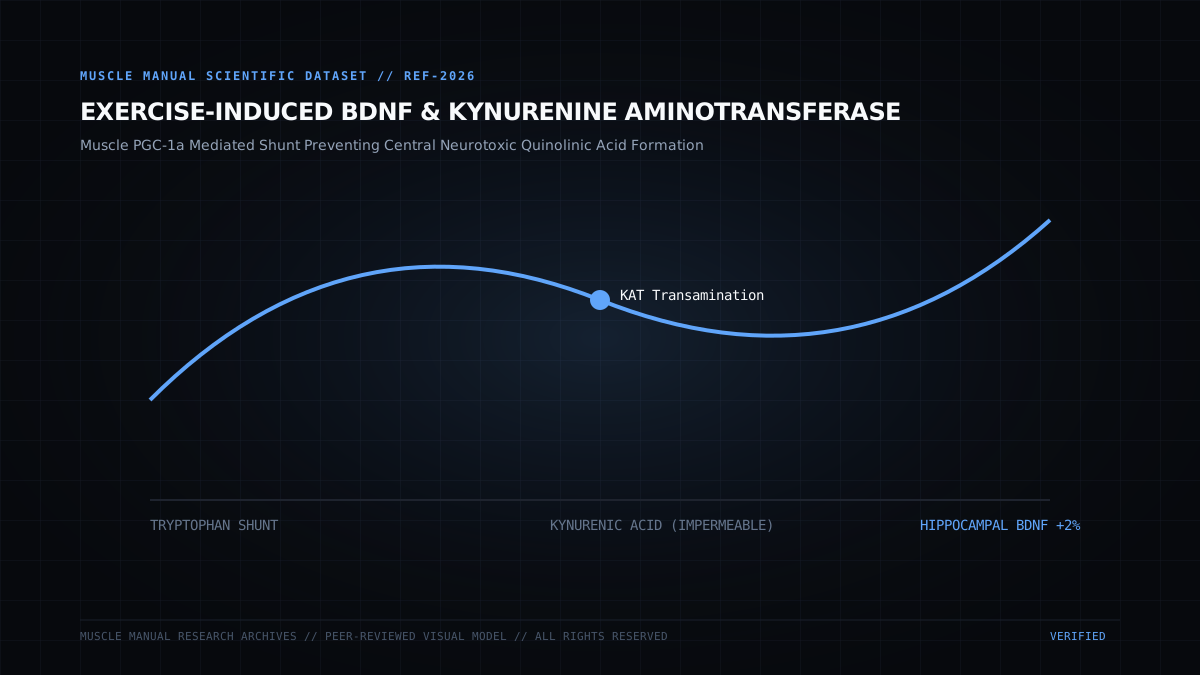
Exercise is frequently treated as an optional lifestyle suggestion in mental healthcare. Clinical data reveals it acts as a potent biological intervention that directly stimulates hippocampal neurogenesis and reduces systemic neuroinflammation.
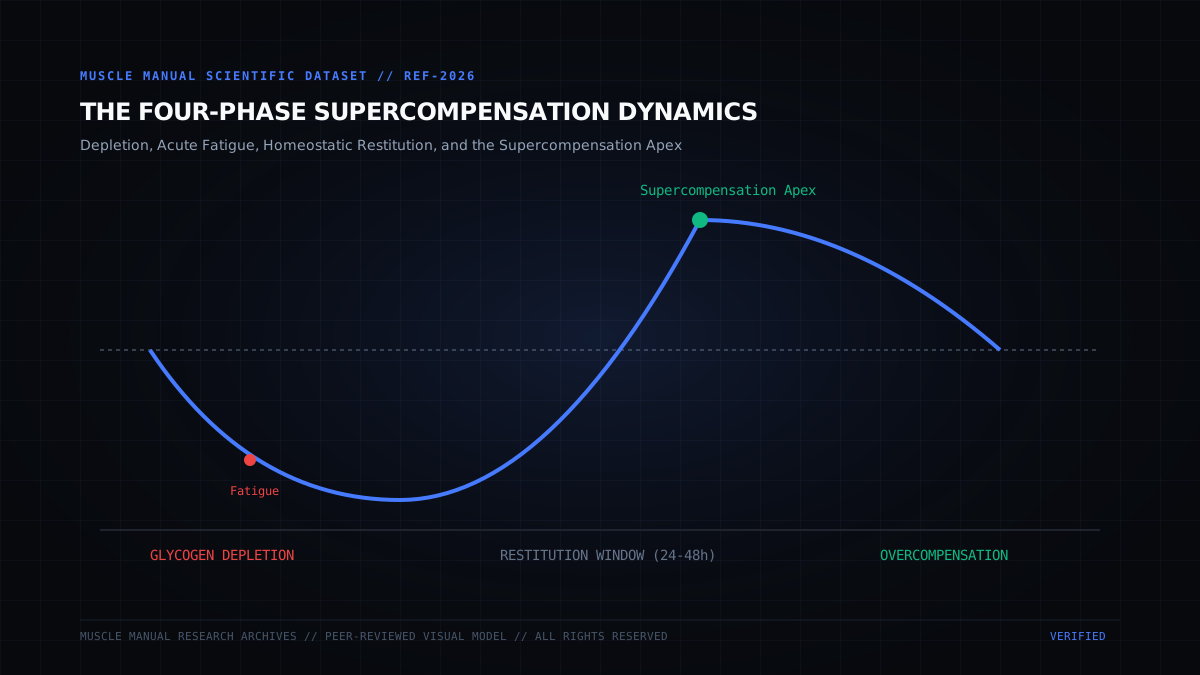
Training does not produce adaptation; recovery from training produces adaptation. Mapping the biochemical timelines of glycogen replenishment, myofibrillar repair, and central nervous system reconstitution prevents non-functional overreaching.
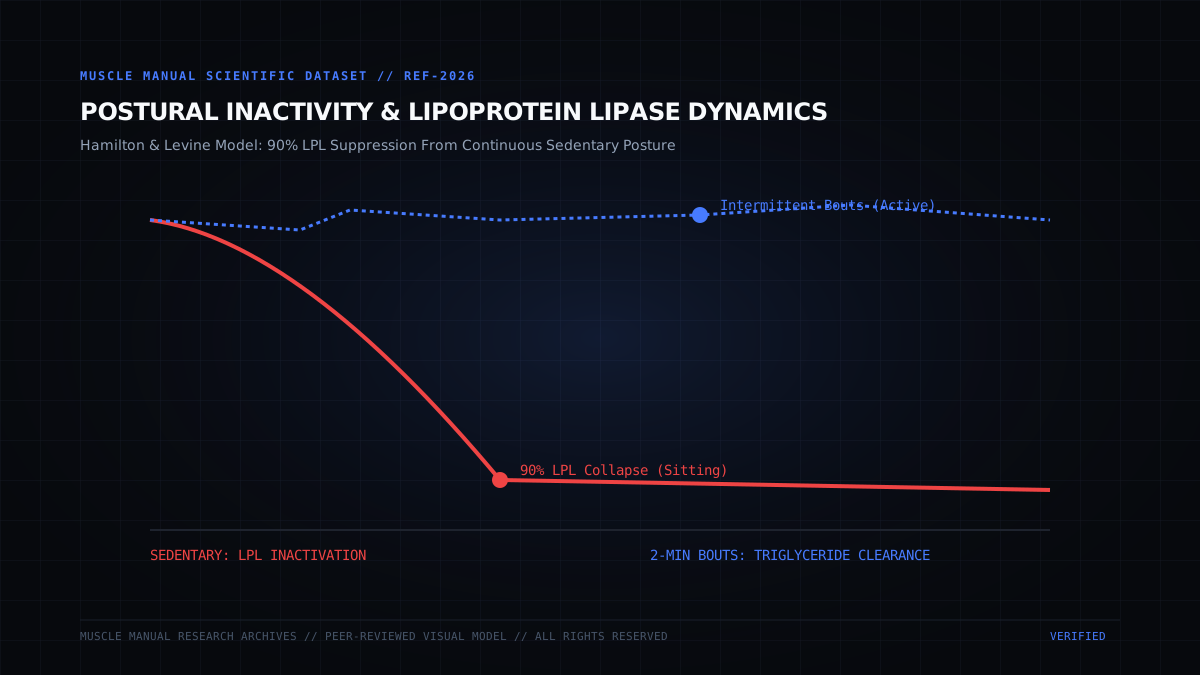
One hour in the gym cannot counteract 10 hours of stationary seated posture. Understanding non-exercise activity thermogenesis and the molecular kinetics of lipoprotein lipase changes how we view daily movement.