
The Real Return on Cardio
Zone 2 physiology, mitochondrial density, stroke volume, and the myth of interference.
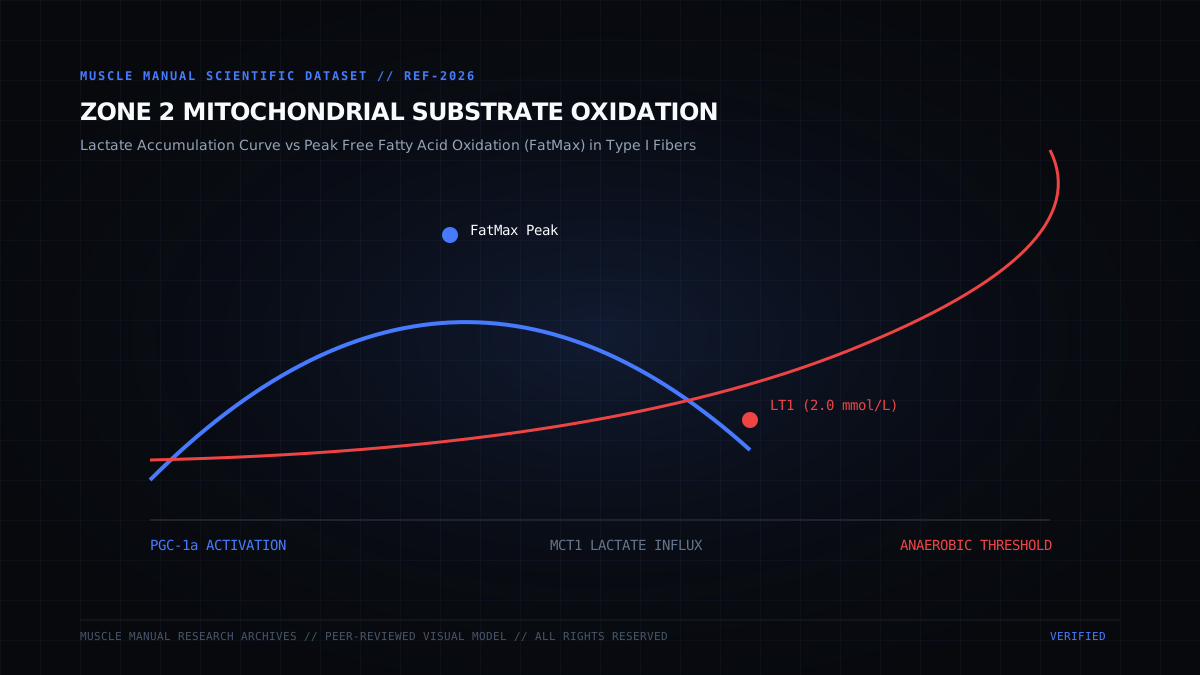
- 1Zone 2 endurance training occurs below the first lactate threshold (typically 1.5 to 2.0 mmol/L), maximizing fat oxidation and mitochondrial enzyme activity.
- 2Eccentric hypertrophy of the left ventricle occurs through steady aerobic work, increasing cardiac stroke volume and lowering resting heart rate.
- 3The classic interference effect between strength and endurance is an artifact of high-impact running or excessive volume, not low-impact cyclical training.
- 4High aerobic capacity shortens phosphocreatine resynthesis time between heavy resistance training sets.
Defining Zone 2 Cellular Energetics
Zone 2 exercise corresponds physiologically to the highest exercise intensity that can be sustained while relying primarily on mitochondrial lipid oxidation rather than glycolytic substrate breakdown. At this intensity, blood lactate concentrations remain stable around baseline levels, typically between 1.5 and 2.0 millimoles per liter.
In this metabolic sweet spot, Type I slow-twitch muscle fibers handle the entire workload. Because these fibers are densely packed with mitochondria, Zone 2 stimulates mitochondrial biogenesis through the activation of peroxisome proliferator-activated receptor gamma coactivator 1-alpha (PGC-1a).
When exercise intensity drifts above the first lactate threshold into Zone 3 or 4, fast-twitch Type II fibers are recruited, glycogen utilization escalates, and lactate clearance is overwhelmed. Many recreational trainees spend too much time in this middle zone: working too hard to stimulate pure mitochondrial efficiency, but not hard enough to build peak anaerobic capacity.
Stroke Volume and Cardiac Morphology
The human heart adapts to mechanical stress in distinct ways depending on the hemodynamic nature of the exercise. Heavy resistance training creates pressure overload, leading to concentric cardiac hypertrophy where the ventricular walls thicken with minimal change in chamber internal diameter.
In contrast, continuous aerobic training creates volume overload. The sustained venous return stretches the myocardium during diastole, stimulating eccentric hypertrophy: an increase in left ventricular end-diastolic internal volume.
A larger chamber allows the heart to pump more blood per beat (increased stroke volume). As stroke volume rises, the heart requires fewer contractions to supply oxygenated blood to resting tissues, lowering resting heart rate into the 40s or 50s and reducing cumulative mechanical wear on the arterial tree.
The Interference Effect Re-Examined
In 1980, Robert Hickson published the initial paper on the concurrent training interference effect, showing that participants doing both heavy lifting and intense running experienced compromised strength gains compared to strength-only groups. For decades, this paper was interpreted as a blanket warning that cardio kills gains.
Modern research has clarified the molecular biology. The interference effect is largely localized and modality-dependent. Running induces significant eccentric muscle damage, requiring prolonged repair that competes with resistance training recovery. Cycling or rowing, which have minimal eccentric impact, generate far less localized trauma.
Furthermore, molecular signaling interference (AMPK inhibiting mTORC1) is transient, lasting roughly 3 to 4 hours post-exercise. Separating aerobic work and resistance training by six hours or scheduling them on alternating days completely preserves muscular hypertrophy while simultaneously building an aerobic base.
In-Gym Benefits for Strength Athletes
Cardiorespiratory fitness delivers tangible benefits directly to the weight room. Between intense sets of squats, deadlifts, or presses, the body must resynthesize intramuscular phosphocreatine and clear hydrogen ions from working tissues.
Phosphocreatine resynthesis is entirely dependent on mitochondrial aerobic ATP production. An athlete with superior aerobic conditioning restores 90 percent of phosphocreatine reserves in 90 seconds, whereas a deconditioned lifter may require three to four minutes. This allows higher training density, greater total volume load per session, and faster systemic recovery.
Primary Research & Citations
3 Peer-Reviewed SourcesThis investigation was produced without commercial interference or brand sponsorship. Report factual corrections to editorial@musclemanualmedia.com.
Editorial charterRelated Investigations
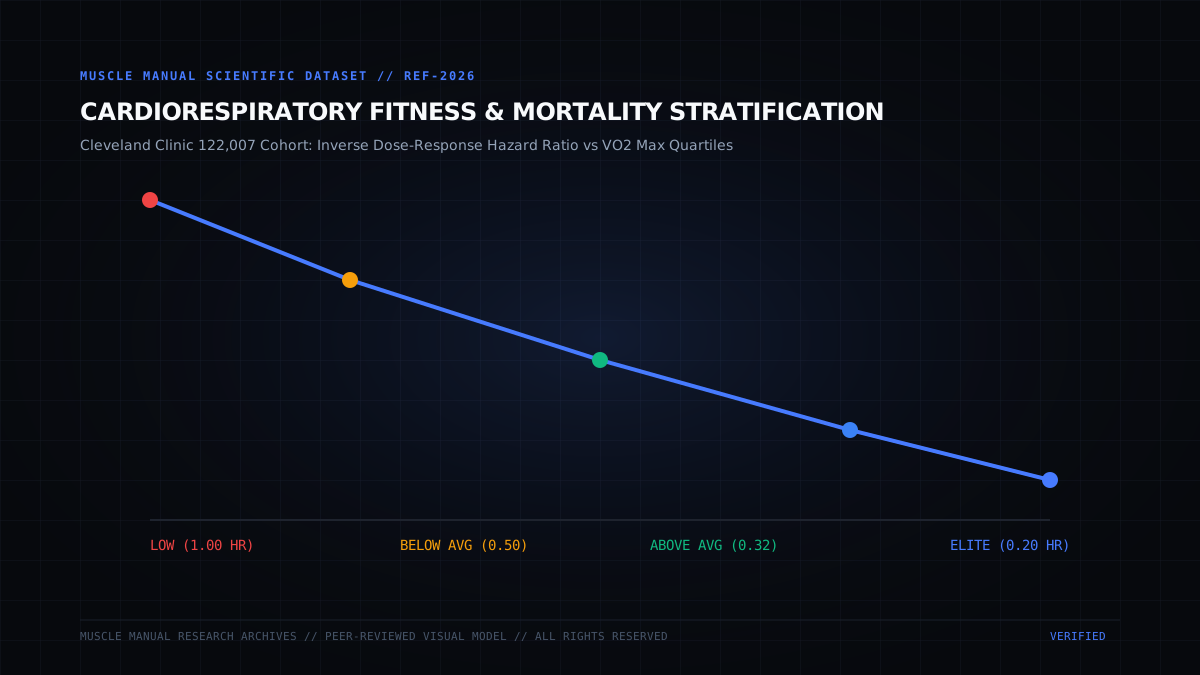
The Science of Living Longer
Modern longevity research points away from speculative pharmaceuticals and toward two measurable clinical markers: peak cardiorespiratory capacity and absolute skeletal muscle mass.
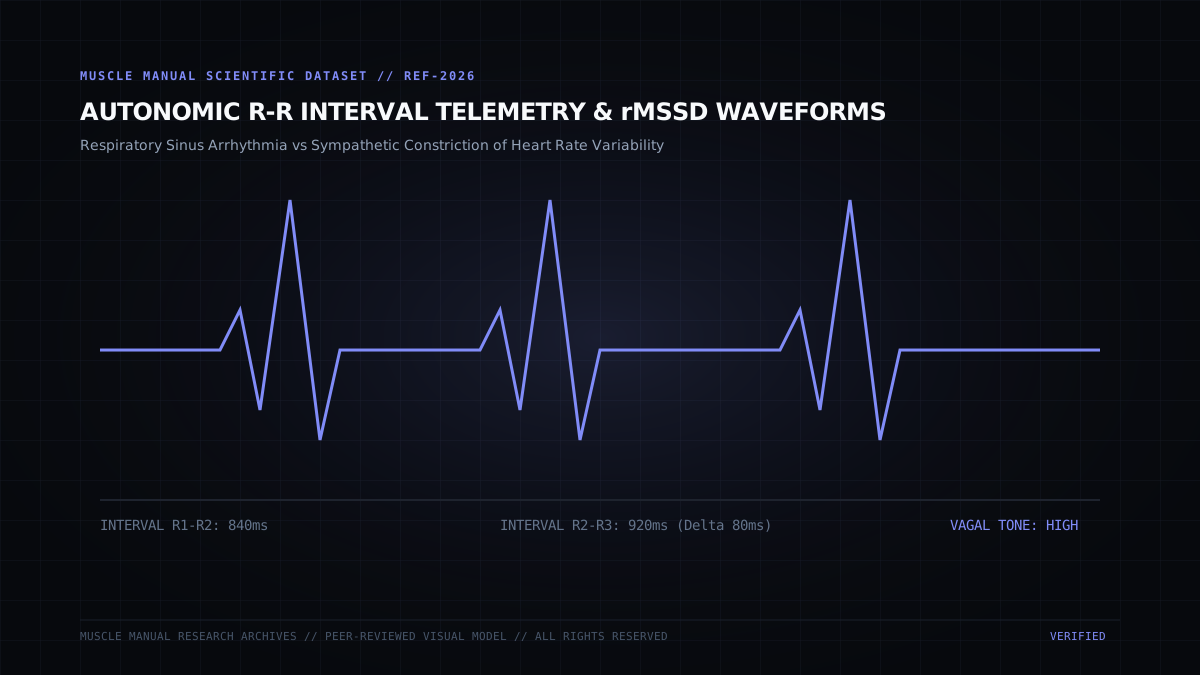
The Science of Stress Recovery
Training, career demands, and psychological tension draw on the same central physiological reserve. Understanding allostatic load and autonomic tone determines whether an athlete adapts or deteriorates.
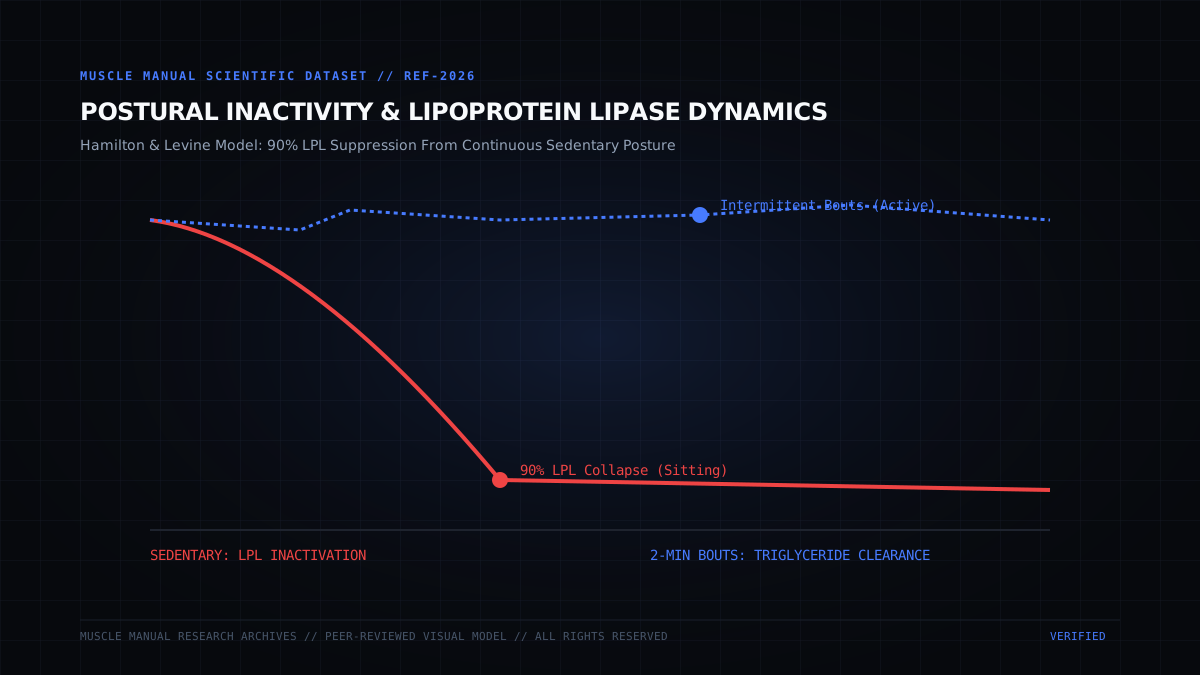
The Science of Everyday Movement
One hour in the gym cannot counteract 10 hours of stationary seated posture. Understanding non-exercise activity thermogenesis and the molecular kinetics of lipoprotein lipase changes how we view daily movement.