
Your Brain on Better Sleep
Glymphatic clearance, memory consolidation, and the neurological cost of chronic restriction.
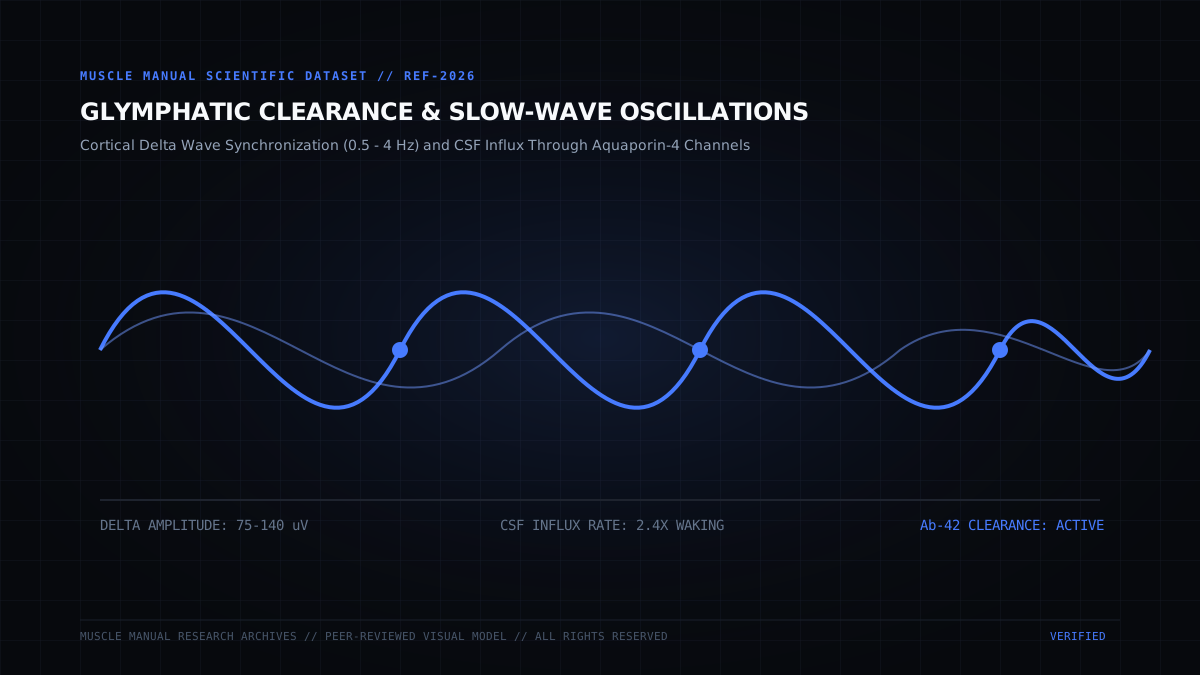
- 1The glymphatic system expands interstitial space by up to 60 percent during slow-wave sleep, enabling cerebrospinal fluid to clear amyloid-beta and tau proteins.
- 2A single night of sleep deprivation elevates baseline cortisol by 37 percent and reduces insulin sensitivity in peripheral tissues by 24 percent.
- 3Sleep spindle density during Stage 2 non-REM sleep directly correlates with motor skill consolidation and declarative memory recall accuracy.
- 4Consistent sleep timing maintains circadian gene expression in the suprachiasmatic nucleus more reliably than attempting weekend catch-up sleep.
The Glymphatic Filtration Mechanism
For decades, neuroscience struggled to explain how the central nervous system disposed of metabolic waste without an active lymphatic drainage system. In 2012, researchers at the University of Rochester Medical Center characterized the glymphatic pathway: a specialized macroscopic waste clearance system supported by astrocytic aquaporin-4 water channels.
During waking hours, glial cells remain swollen, restricting interstitial volume fraction. Upon entering Stage 3 slow-wave sleep, astrocytes shrink by approximately 60 percent. This conformational change reduces hydrodynamic resistance, permitting convective influx of cerebrospinal fluid along periarterial spaces and flushing metabolic byproducts into perivenous drainage tracks.
Among the cleared metabolites are amyloid-beta monomers and hyperphosphorylated tau proteins. When slow-wave sleep is truncated, clearance rates decline immediately. Positron emission tomography scans show measurable elevations in cortical amyloid burden following even single-night disruptions of delta-wave continuity.
Memory Consolidation and Synaptic Homeostasis
Wakefulness is inherently potentiation-heavy. Every interaction, sensory input, and motor movement strengthens synaptic connections across the cortex. If this net increase continued indefinitely, neural circuits would saturate, consuming unsustainable amounts of cellular energy and degrading signal-to-noise ratio.
The synaptic homeostasis hypothesis, formulated by Tononi and Cirelli, demonstrates that slow-wave sleep resets this balance. Through global synaptic down-selection, weaker connections are systematically pruned while high-priority circuits are preserved and transferred from the temporary storage of the hippocampus to the long-term architecture of the neocortex.
Sleep spindles, short bursts of 11 to 16 Hertz oscillatory activity generated by the reticular thalamic nucleus, coordinate this transfer. Individuals undergoing complex motor pattern learning demonstrate significant increases in spindle density during subsequent non-REM cycles. When spindles are disrupted, consolidation rates drop by more than 40 percent.
Neuroendocrine Dysregulation from Short Sleep
Restricting nocturnal sleep to five hours or less produces measurable shifts in the hypothalamic-pituitary-adrenal axis within 48 hours. Evening cortisol levels remain elevated rather than following their natural circadian taper, blunt morning growth hormone pulses, and desensitize ventral striatum reward pathways.
Concurrently, the appetite-regulating peptides leptin and ghrelin shift toward orexigenic signalling. Circulating leptin drops by 18 percent while total ghrelin climbs by 28 percent. This endocrine distortion increases cravings for calorie-dense refined carbohydrates while simultaneously impairing prefrontal inhibitory control over impulse execution.
Preserving Sleep Architecture in Practice
Improving sleep quality requires treating sleep architecture as an active biological system rather than a passive block of unconsciousness. First, maintain anchor sleep timing. Going to bed and waking within a 30-minute window every day maintains molecular clock genes across liver, muscle, and brain tissues.
Second, manage light timing. Morning exposure to 10,000 lux or greater direct sunlight within 45 minutes of waking suppresses residual melatonin and anchors the central suprachiasmatic nucleus. Conversely, eliminating blue-wavelength light exceeding 10 lux two hours before sleep prevents phase delays in endogenous melatonin release.
Third, control core body temperature. Sleep onset is triggered by a 1 to 2 degree Fahrenheit drop in central body temperature. A hot shower 90 minutes before sleep dilates peripheral blood vessels in hands and feet, dumping heat and accelerating the core cooling process.
Primary Research & Citations
3 Peer-Reviewed SourcesThis investigation was produced without commercial interference or brand sponsorship. Report factual corrections to editorial@musclemanualmedia.com.
Editorial charterRelated Investigations
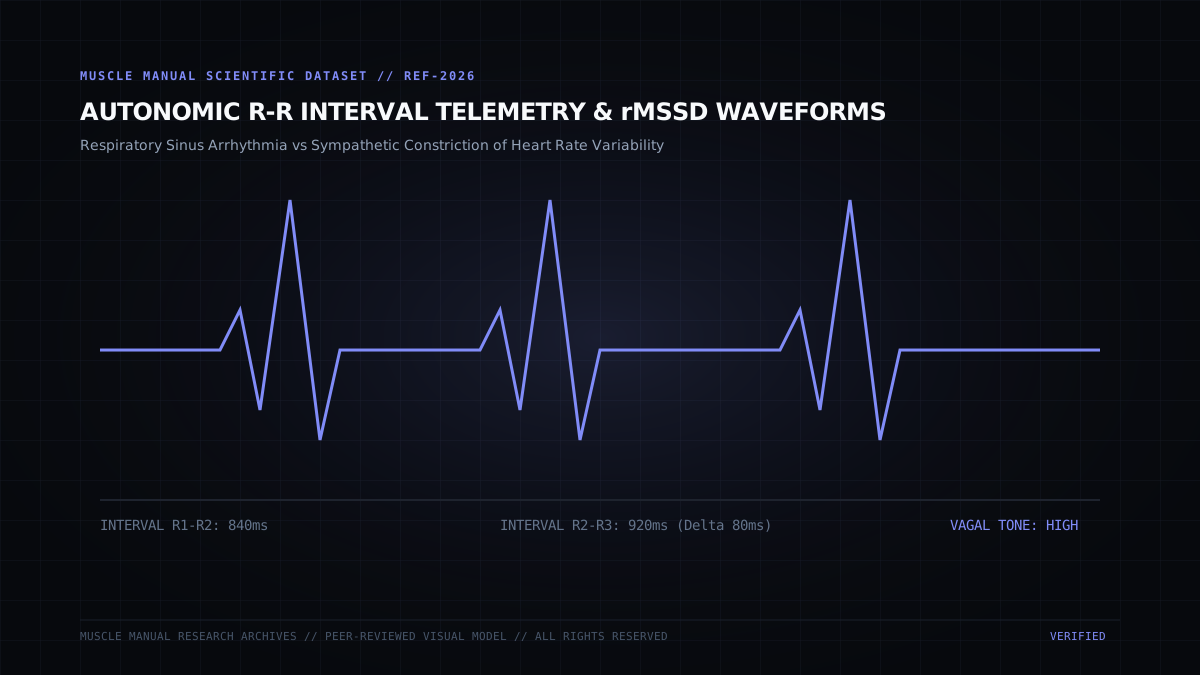
The Science of Stress Recovery
Training, career demands, and psychological tension draw on the same central physiological reserve. Understanding allostatic load and autonomic tone determines whether an athlete adapts or deteriorates.
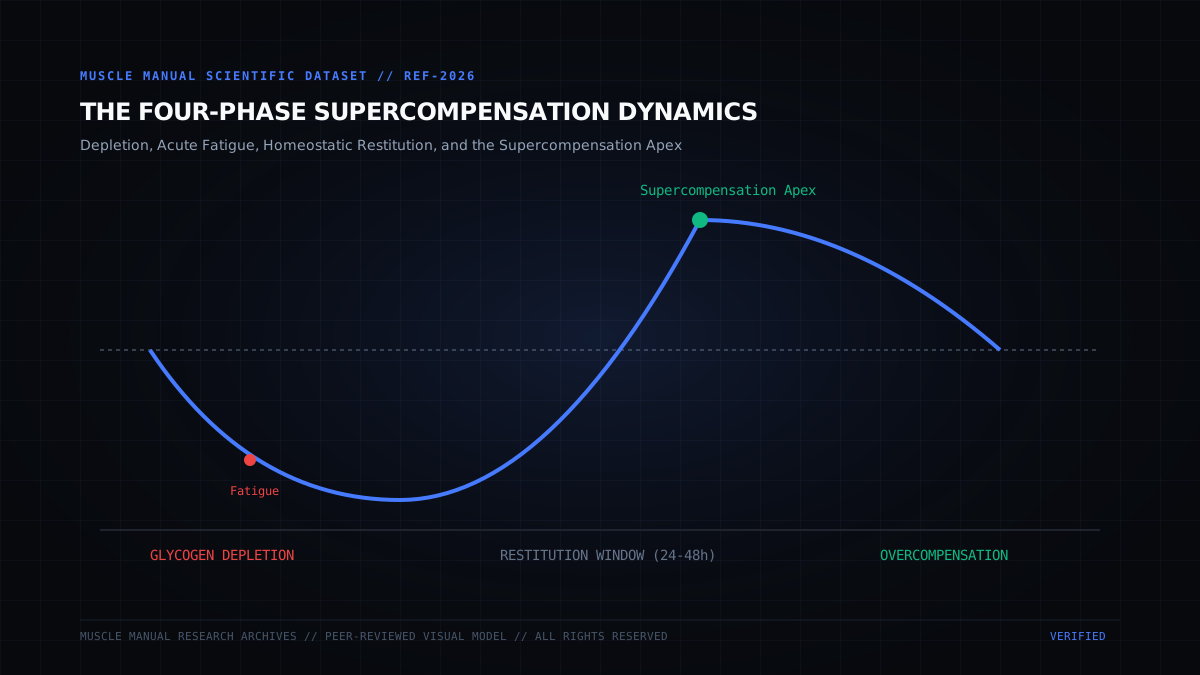
Recovery, Rest, and Adaptation
Training does not produce adaptation; recovery from training produces adaptation. Mapping the biochemical timelines of glycogen replenishment, myofibrillar repair, and central nervous system reconstitution prevents non-functional overreaching.
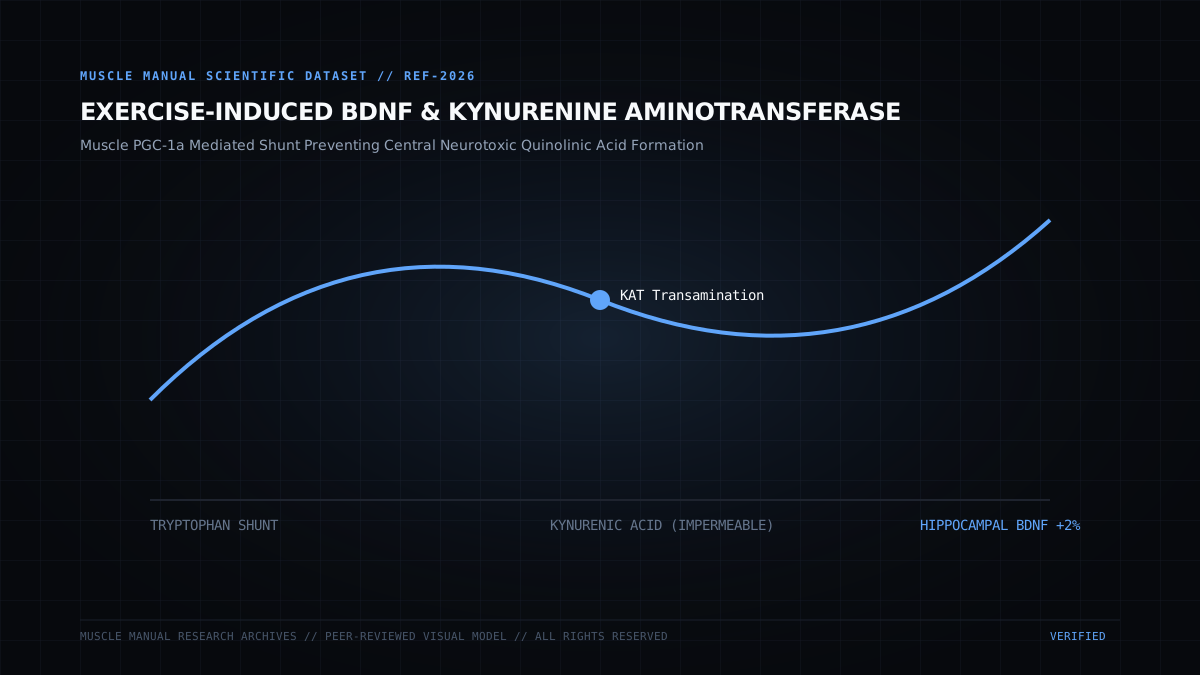
Exercise and Mental Health
Exercise is frequently treated as an optional lifestyle suggestion in mental healthcare. Clinical data reveals it acts as a potent biological intervention that directly stimulates hippocampal neurogenesis and reduces systemic neuroinflammation.