
Nutrition Myths Worth Retiring
What the evidence says about meal frequency, carbohydrate timing, and metabolic damage.

- 1Eating six small meals per day does not stoke the metabolic furnace; thermic effect of food is governed by total food volume and macronutrient composition, not meal distribution.
- 2Carbohydrates consumed late in the evening do not automatically convert to adipose tissue; 24-hour net energy balance dictates fat storage.
- 3Metabolic damage is a misnomer; adaptive thermogenesis represents a reversible biological down-regulation of resting energy expenditure in response to prolonged caloric deficit.
- 4Adherence to a sustainable caloric and protein target outperforms rigid dietary restrictions across every long-term randomized clinical trial.
The Six-Meals-a-Day Fallacy
A pervasive belief in bodybuilding folklore asserts that eating every two to three hours raises basal metabolic rate by continuously stimulating the thermic effect of food (TEF). This reasoning misinterprets basic thermodynamics.
The thermic effect of food accounts for roughly 10 percent of total caloric intake. If an individual consumes 2,400 calories in a day, TEF burns approximately 240 calories. Whether those 2,400 calories are divided into six 400-calorie meals (each burning 40 calories in TEF) or two 1,200-calorie meals (each burning 120 calories in TEF), total daily energy expenditure remains identical.
Metabolic chamber trials conducted by Smeets, Westerterp-Plantenga, and other clinical investigators have confirmed that varying meal frequency from two to six feedings per day produces zero difference in 24-hour fat oxidation or metabolic expenditure when total calories and protein are equated.
The Myth of Evening Carbohydrate Storage
The belief that carbohydrates consumed after 6:00 PM are preferentially stored as body fat assumes the human metabolism shuts down during sleep. In reality, sleeping basal metabolic rate is only slightly lower than resting daytime expenditure, while slow-wave sleep and cellular repair processes maintain continuous glucose turnover.
In a six-month randomized trial conducted by Sofer and colleagues at the Hebrew University of Jerusalem, subjects placed on an identical caloric deficit who consumed the majority of their carbohydrates with dinner experienced greater weight loss, improved satiety scores, and superior improvements in insulin sensitivity compared to those who consumed carbohydrates evenly across the day.
Consuming carbohydrates alongside evening meals can enhance the availability of circulating tryptophan, facilitating melatonin synthesis and improving sleep quality in active populations.
Adaptive Thermogenesis versus Metabolic Damage
When individuals plateau during weight loss, they often claim they have permanently damaged their metabolism or entered starvation mode. The human metabolism cannot break the laws of physics. What occurs is adaptive thermogenesis: a survival response where the body down-regulates energy expenditure in proportion to weight loss.
Adaptive thermogenesis operates across multiple mechanisms: non-exercise activity thermogenesis (NEAT) drops subconsciously (fewer fidgeting movements, less pacing), thyroid hormone (T3) output declines, leptin drops, and mechanical work efficiency increases (the body burns fewer calories to perform the same mechanical movement).
These adaptations are fully reversible upon returning to caloric maintenance. Implementing periodic diet breaks at maintenance intake restores leptin signaling, elevates glycogen stores, and helps mitigate these physiological adaptations.
Primary Research & Citations
3 Peer-Reviewed SourcesThis investigation was produced without commercial interference or brand sponsorship. Report factual corrections to editorial@musclemanualmedia.com.
Editorial charterRelated Investigations
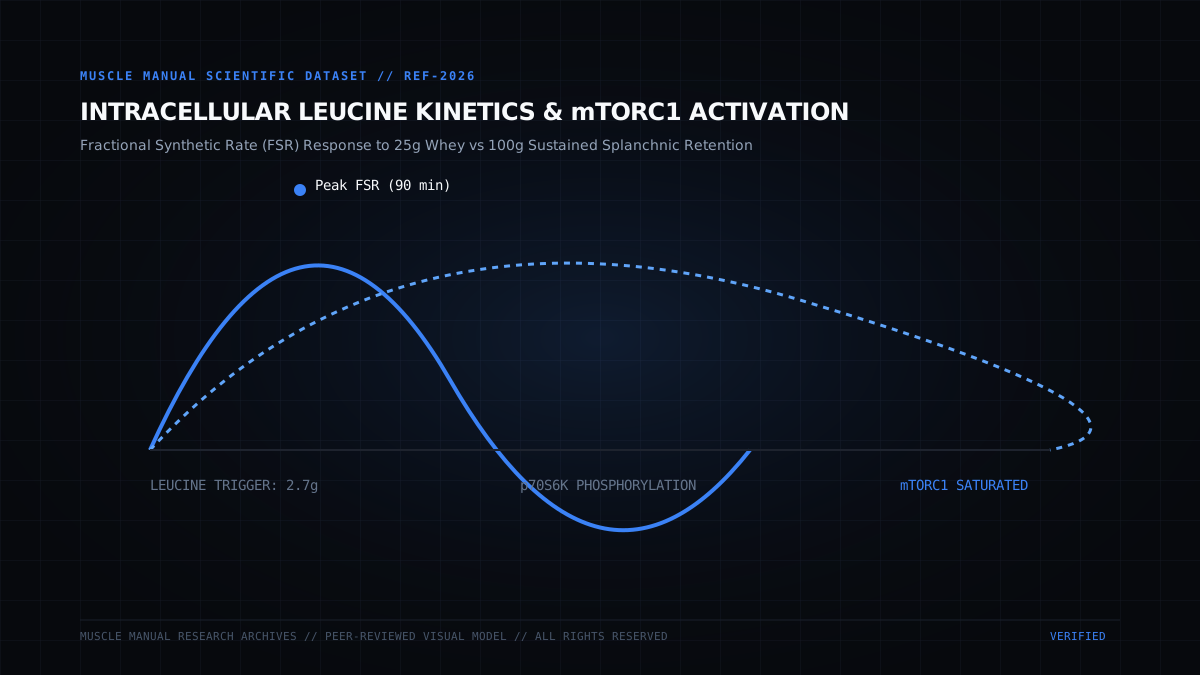
The Real Protein Question
The debate over total daily protein intake often ignores the biological kinetics of amino acid oxidation, per-meal leucine thresholds, and the difference between survival minimums and optimal tissue retention.
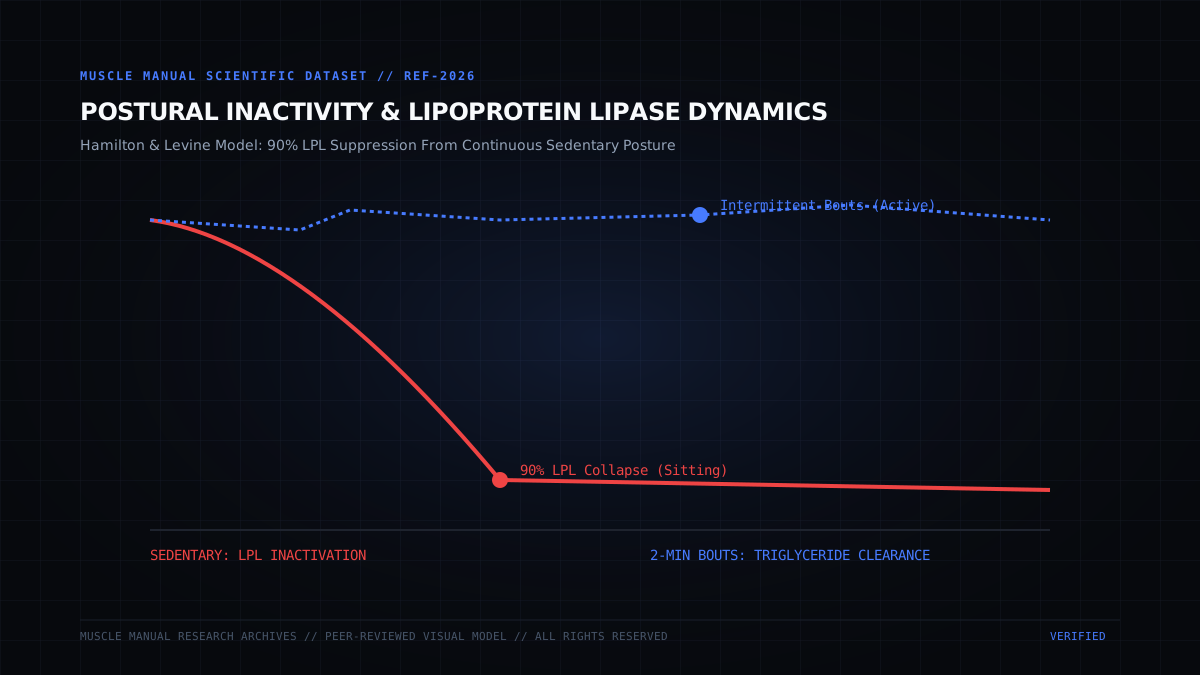
The Science of Everyday Movement
One hour in the gym cannot counteract 10 hours of stationary seated posture. Understanding non-exercise activity thermogenesis and the molecular kinetics of lipoprotein lipase changes how we view daily movement.
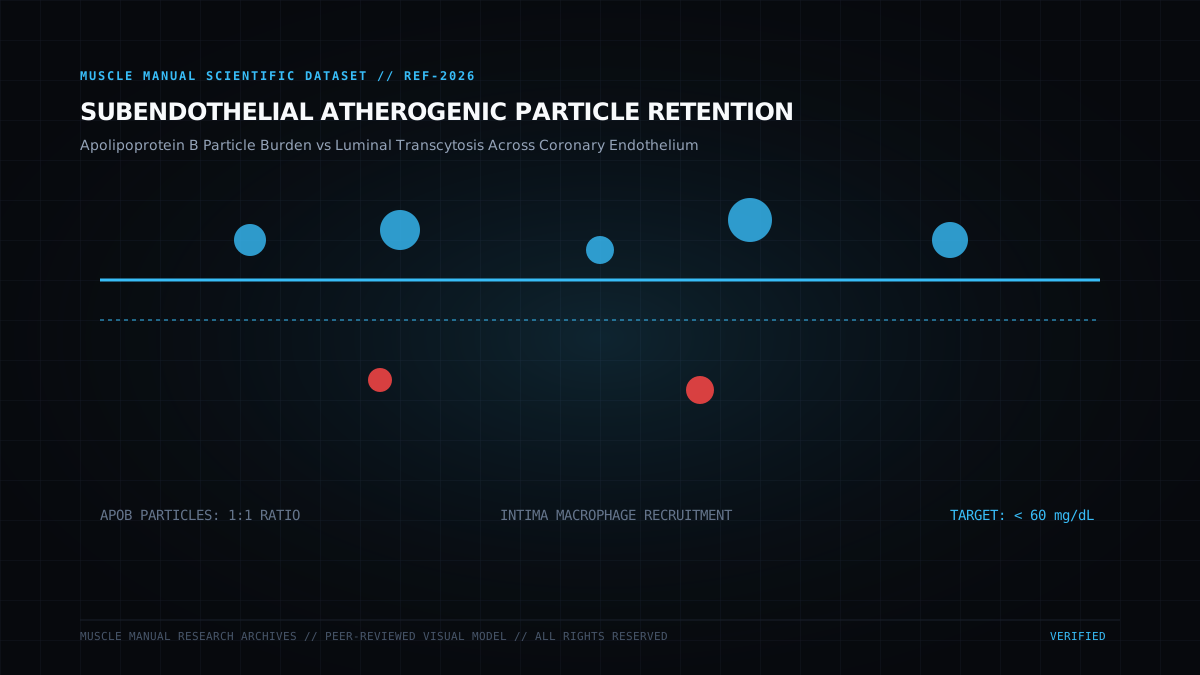
What Your Bloodwork Really Tells You
Standard laboratory reference ranges are designed to detect acute disease states, not to establish optimal physiological performance. Looking closer at particle count, insulin kinetics, and vascular inflammation reveals early warning signs years in advance.